
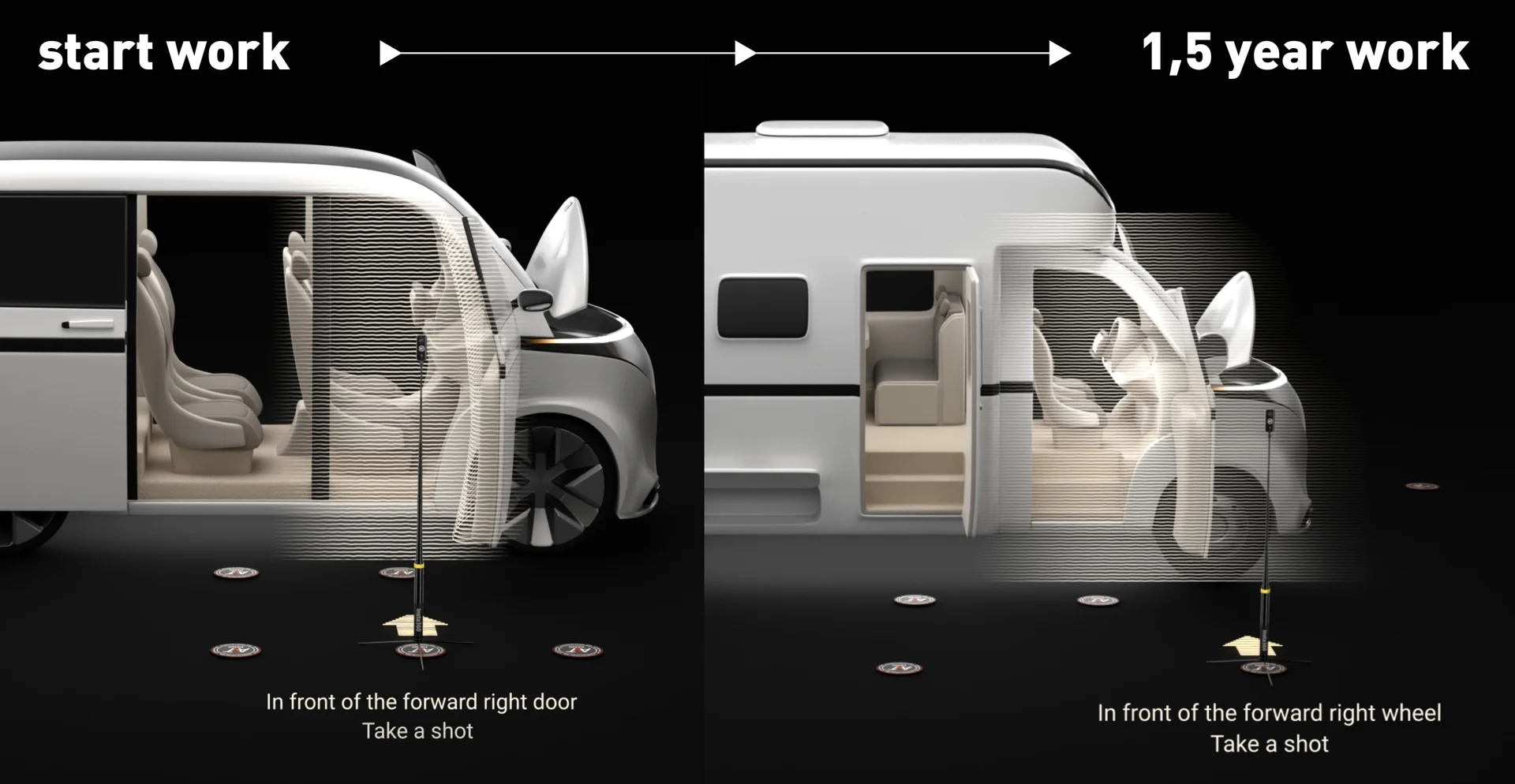
Last time: how the visual language became the client's own asset. But an asset only stays valuable if it's maintained. The system now holds over 200 videos, made by different people, at different times, with different levels of experience.
All 200 look like one product.
That's not a coincidence. It's the result of one specific decision: not relying on every artist to just "get it right" on their own.
A standard for every frame
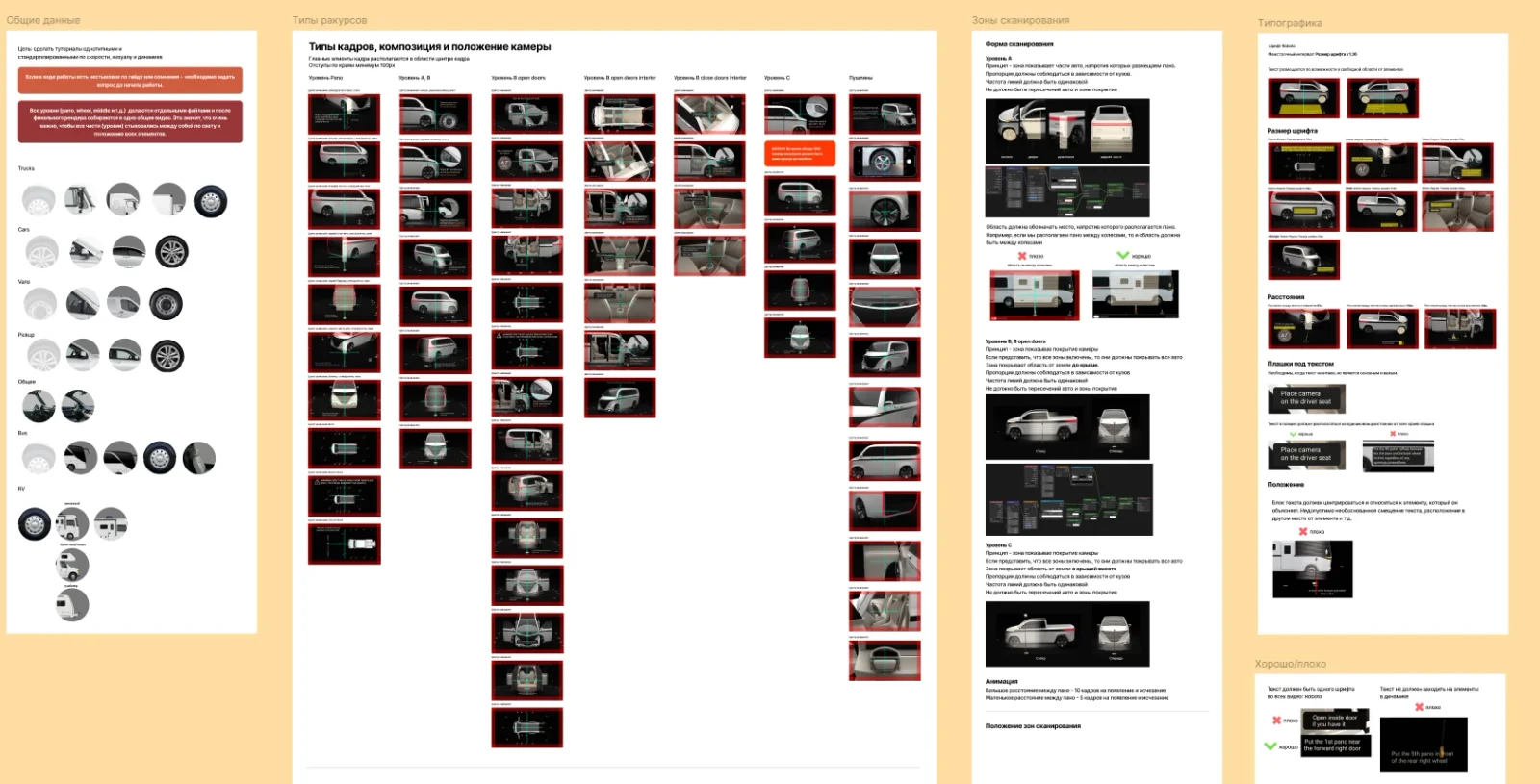
Each shooting level has its own set of requirements: how the composition should be built, what the lighting should look like, the camera geometry. Not a vague "make it look good" — a concrete pass/fail criterion for each one.
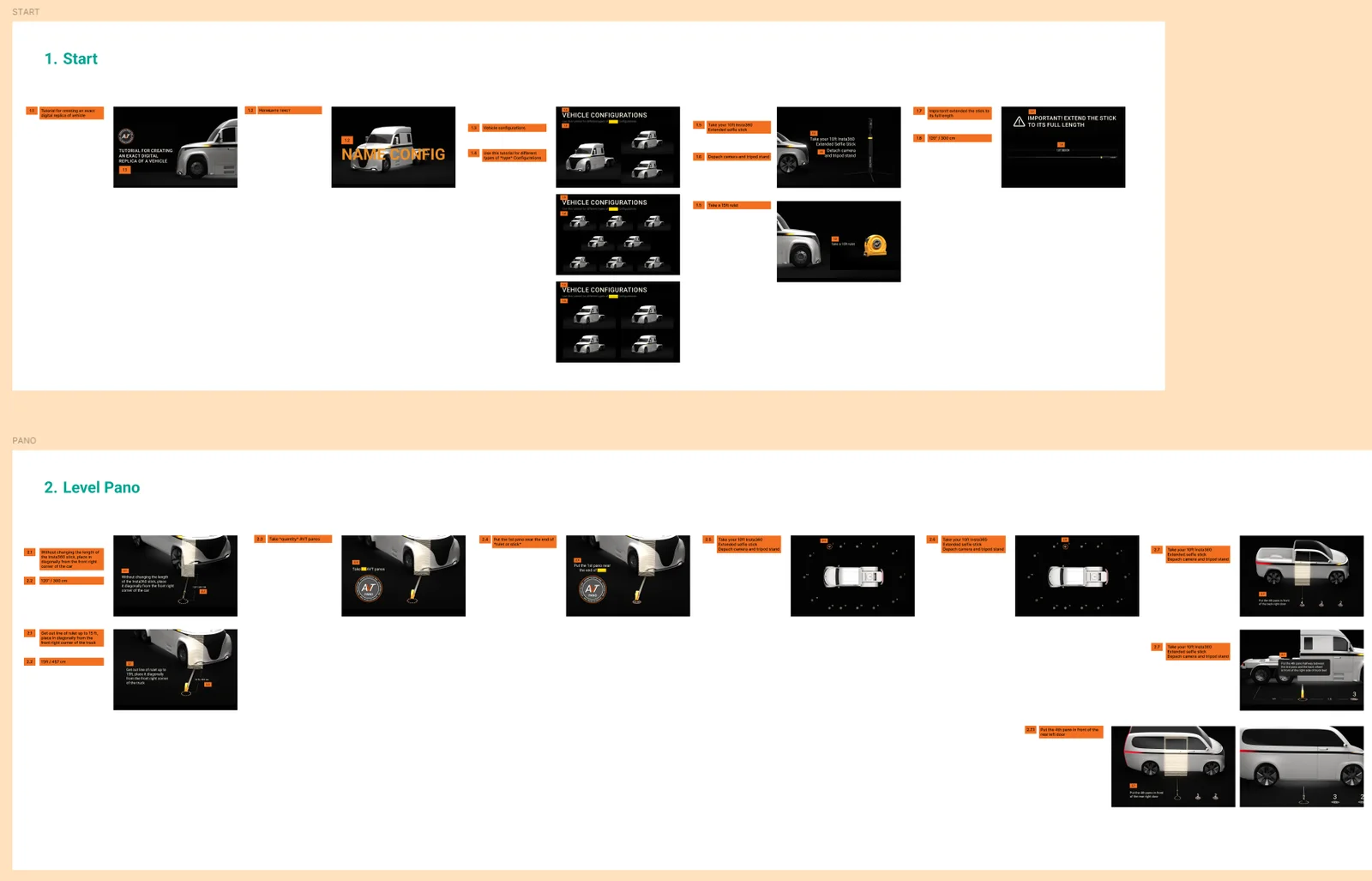
An artist can check their own work before handing it in, instead of an art director catching the gap afterward. An error gets caught at its own level instead of spreading across the whole set.
That's what holds consistency together: video two hundred follows the same rules as video one, even with a year and a half and several different people on the team in between.
Control starts before the work begins
Standards only hold up in production if the right people land on the project in the first place.
So selection starts earlier — before someone takes on any work at all. It's not about a polished portfolio. It's about whether someone fits this specific type of work: attention to detail, the ability to follow an instruction literally rather than reinterpret it creatively.
The first task a new person on the team gets is a test — but built like the real thing: same pipeline, same requirements. That shows how someone actually works before they touch a live project.
If it turns out someone isn't a fit, that costs one test task. Not a missed deadline in the middle of production.
What this gives the client
Quality that depends on one specific artist isn't quality — it's risk. That person leaves, and consistency drops. They get sick, and the deadline slips. They spend a year and a half on one project, and they start cutting corners.
A system solves this differently: the standard doesn't live in someone's head, it lives in the process itself. Anyone who's passed selection can work by it — not just the one person who's "been around the longest."
Without a system, process quality eventually depends on specific people. That's a risk to quality, timelines, and consistency.
Over a year and a half on the AVT project, several people have rotated through it. Video two hundred still looks like video one.
But production quality is only half of trust. The other half is whether the client actually knows what's happening on their project right now — without having to wait for the finished result.
More on that next time.